Precision Cast Components for Wind Power Equipment Applications
Precision cast components are essential for wind power equipment, delivering the durability, accuracy, and corrosion resistance that turbine systems demand. These manufactured parts support the growing renewable energy sector by enabling efficient energy conversion from wind to electricity. This article explores the technical specifications, applications, and selection criteria for precision cast components used in wind turbine systems. For specialized manufacturing capabilities, consider partnering with a factory specializing in Water Glass Casting Weighing Hook production to understand advanced casting techniques.
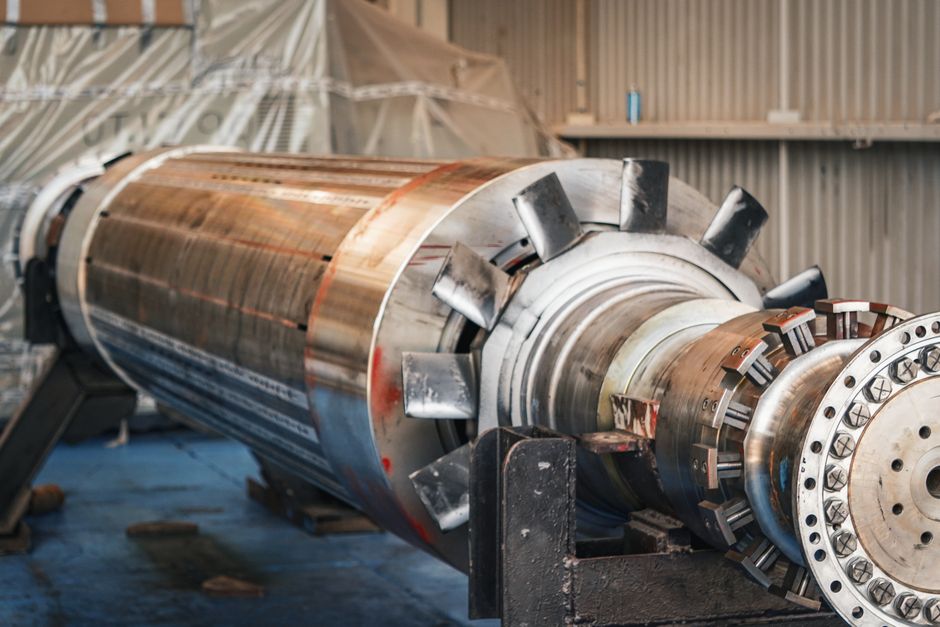
Why Precision Casting is Ideal for Wind Power Equipment
Precision casting delivers net-shape components with tight dimensional tolerances, reducing the need for secondary machining operations. Wind turbine components require exceptional strength-to-weight ratios, making investment casting and water glass casting processes particularly valuable. The ability to produce complex geometries in a single operation minimizes material waste and production costs.
Precision casting processes also allow for uniform mechanical properties throughout cast components. This uniformity is critical for wind turbine parts that experience cyclic loading and vibration throughout their operational lifespan. The technique supports various alloys including stainless steel, carbon steel, and specialized high-strength alloys suitable for marine wind environments.
Critical Components in Wind Turbine Systems
Wind turbines contain numerous precision-cast components that must perform reliably under demanding conditions. The main rotor hub connects to the drivetrain and experiences constant mechanical stress from wind loading. Gearbox housings require precise internal geometries to house gear trains that multiply rotational speed for generator efficiency. Yaw and pitch mechanisms rely on durable components that allow precise positioning of turbine blades.
The nacelle structure houses the generator and gearbox, requiring large castings that provide structural integrity while minimizing weight. Tower flanges connect turbine sections and must withstand extreme loads during operation. Each application presents unique challenges that determine which casting process and alloy best suits the component requirements. Understanding search engine optimization principles can help casting manufacturers showcase their capabilities to potential wind power industry clients.
Material Selection for Wind Power Castings
Material selection directly impacts component performance and longevity in wind power applications. Common materials include:
- Carbon steel castings for structural components requiring high strength
- Stainless steel for components exposed to corrosive marine environments
- Alloy steels for high-stress applications like gearboxes and bearings
- Specialized alloys for extreme temperature conditions
Galvanized components offer enhanced corrosion protection for offshore wind installations. The galvanized explosion-proof valve body demonstrates how surface treatments extend service life in harsh environments. Material certification and traceability are essential for wind power applications, with many projects requiring documentation per international quality standards.

Manufacturing Standards and Quality Assurance
Wind turbine components must meet rigorous quality standards to ensure safety and reliability. Non-destructive testing methods including ultrasonic inspection, magnetic particle examination, and radiographic testing identify internal defects that could compromise component integrity. Surface finish requirements vary by application, with some components requiring mirror-polished surfaces for aerodynamic efficiency or bearing surfaces needing precise machining.Dimensional accuracy is specified through international standards that define tolerance classes for cast components. The NIST cybersecurity guidelines for manufacturing supply chains emphasize the importance of documented quality processes. Traceability from raw material certification through final inspection ensures that each component meets its specified requirements.
Design Considerations for Optimal Casting Performance
Effective casting design anticipates manufacturing challenges and optimizes material properties. Wall thickness should be uniform to prevent shrinkage defects and ensure consistent cooling rates. Fillets and radii reduce stress concentrations that could lead to fatigue failure during turbine operation. Design for manufacturing principles help avoid expensive tooling modifications and production delays.
Pattern design and tooling construction significantly impact final component quality. Computer-aided design allows simulation of metal flow during casting, identifying potential defects before tooling is manufactured. Investment casting patterns use ceramic shells that reproduce fine surface details, while water glass casting processes accommodate larger components with excellent dimensional control.
Applications Across Wind Turbine Systems
Precision cast components serve various functions throughout wind turbine systems. Mechanical fastening applications rely on robust designs like the investment casting clamp base that provides secure mounting points for equipment. Structural hardware including brackets and supports require strength and corrosion resistance, as demonstrated by alloy steel curtain bracket designs that withstand dynamic loading.
Architectural hardware applications extend to wind turbine platforms and access systems where precision casting architectural hardware fittings provide reliable connections. Marine-based wind installations benefit from components designed for seawater exposure, similar to those used in mirror-polished marine cruise ship parts that demonstrate superior corrosion resistance.
Maintenance and Inspection Protocols
Regular maintenance of precision cast components extends wind turbine operational life. Visual inspection identifies surface defects, corrosion, or damage from debris impact. Vibration analysis detects changes in mechanical condition that may indicate component wear or loosening. Thermographic imaging reveals hotspots that suggest abnormal friction or electrical issues.
Replacement component sourcing requires attention to original specifications and material certifications. Working with qualified casting manufacturers ensures dimensional compatibility and material traceability. Documentation including material test reports, inspection certificates, and manufacturing records supports regulatory compliance and insurance requirements for wind farm operators.
Selecting a Casting Supplier for Wind Power Components
Supplier qualification involves evaluating manufacturing capabilities, quality systems, and industry experience. Key evaluation criteria include:
- Certification to relevant quality management standards
- Experience with wind power or similar heavy industrial applications
- Testing and inspection capabilities for required quality verification
- Capacity to meet production volume and delivery schedules
- Engineering support for design optimization and problem-solving
On-site audits verify manufacturing processes and quality controls align with project requirements. Sample evaluation and first article inspection provide confidence in supplier capabilities before committing to production orders. Long-term partnerships with experienced casting manufacturers like specialized precision casting factories demonstrate consistent quality standards.
Future Trends in Wind Power Casting Technology
Advancements in casting technology continue improving wind turbine component performance and reducing costs. Additive manufacturing integration allows rapid prototyping of optimized designs before committing to tooling investments. High-performance alloys developed specifically for renewable energy applications offer improved fatigue resistance and corrosion protection.
Digitalization of casting processes enables real-time monitoring of production parameters and predictive quality control. Simulation software advances permit more accurate prediction of component behavior under operational loads. These developments support the continued growth of wind energy as a sustainable power generation source.
Frequently Asked Questions
What casting processes are used for wind turbine components?
Common processes include investment casting for complex geometries, water glass casting for larger components, and centrifugal casting for cylindrical parts like rings and sleeves. Process selection depends on component size, complexity, and material requirements.
How are cast components tested for wind power applications?
Testing includes visual inspection, dimensional verification, mechanical testing of samples, and non-destructive examination methods such as ultrasonic, magnetic particle, and radiographic testing. Material certification verifies chemical composition and mechanical properties.
What surface treatments are applied to wind turbine castings?
Surface treatments include galvanizing for corrosion protection, machining for bearing surfaces, shot blasting for surface preparation, and specialized coatings for extreme environments. Treatment selection depends on exposure conditions and performance requirements.
What is the typical lead time for precision cast wind power components?
Lead times vary based on component complexity, tooling requirements, and order volume. Standard components may ship within weeks, while custom castings requiring new tooling typically require 8-16 weeks for first article delivery.
Can existing cast components be reverse-engineered for replacement?
Yes, experienced casting suppliers can reverse-engineer components from drawings, samples, or measurements. Material analysis confirms composition, and engineering review optimizes designs for casting manufacturability.