Custom Precision Casting Services for Industrial Automation Equipment
Custom precision casting services deliver complex metal components designed specifically for industrial automation equipment, enabling manufacturers to achieve tight tolerances, superior surface quality, and cost-effective production runs. These specialized manufacturing processes transform raw materials into intricate automation parts that power modern smart factories and robotic assembly lines.
Understanding Precision Casting Technology
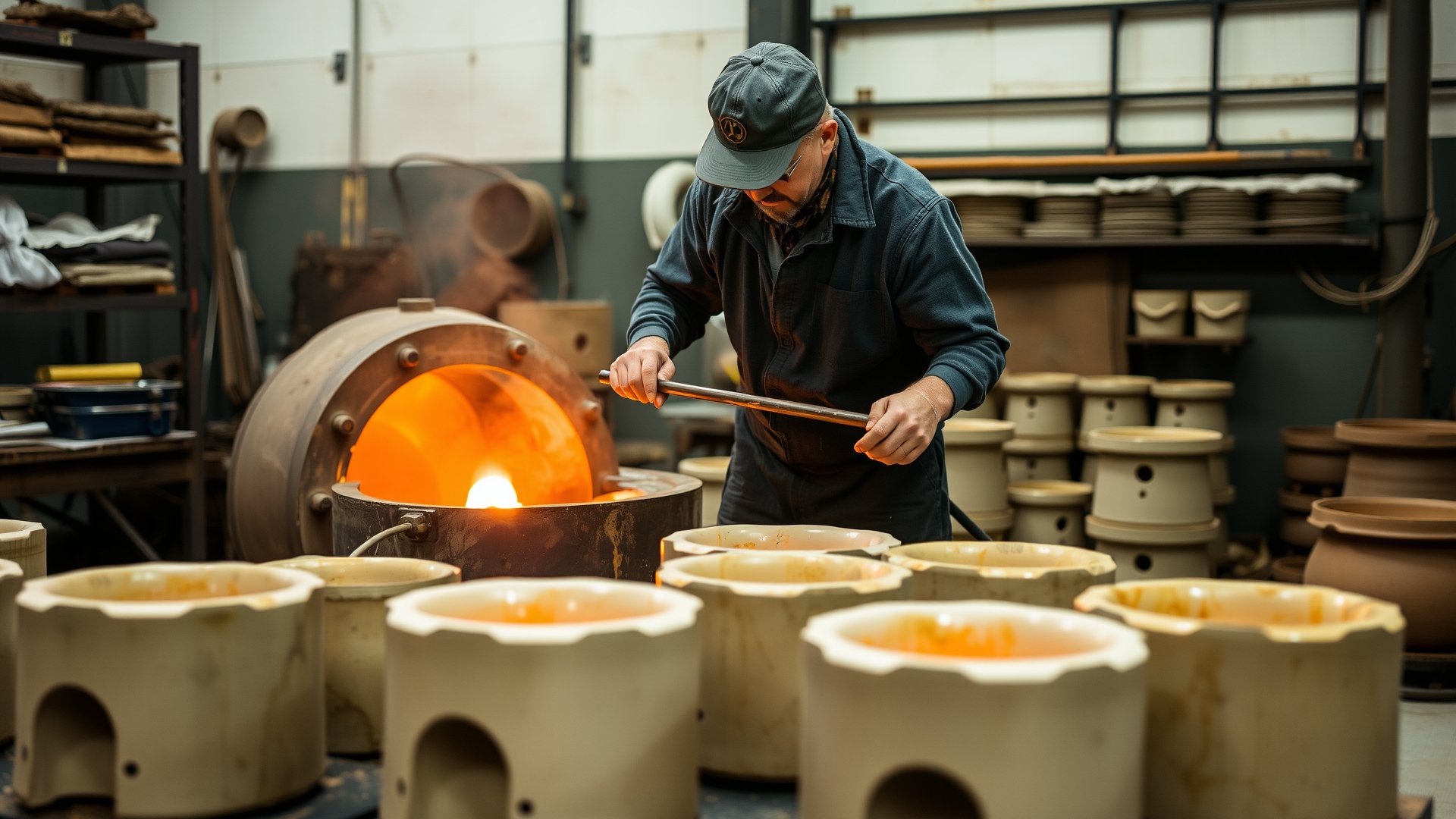
Precision casting, also known as investment casting or lost-wax casting, produces metal components with exceptional dimensional accuracy. The process creates parts that typically require minimal machining, reducing material waste and production time for industrial automation equipment manufacturers.
Modern precision casting facilities employ advanced techniques including water glass casting and silica sol investment casting. Water glass casting proves particularly effective for producing carbon steel and low-alloy steel components with good surface finish requirements. This method offers an economical solution for medium-volume production runs of automation equipment parts.
The Precision Casting Architectural Hardware Fittings produced through these methods demonstrate the capability to achieve complex geometries while maintaining strict tolerance requirements. Such components serve critical functions in automated assembly systems where dimensional accuracy directly impacts operational efficiency.
Materials for Industrial Automation Components
Material selection significantly influences the performance and longevity of automation equipment components. Precision casting supports diverse metal alloys, each offering specific mechanical properties suited to particular automation applications.
Stainless Steel Pressure Cooker Parts provide excellent corrosion resistance and high strength-to-weight ratios, making them ideal for automation equipment operating in harsh environments. The stainless steel pressure cooker parts manufacturing processes developed for consumer products have been adapted to produce durable automation components requiring similar material properties.
The Alloy Steel Curtain Bracket manufactured through precision casting demonstrate how specialized heat-treated alloys serve demanding industrial applications where standard materials fail prematurely.
Carbon steel remains the most widely used material in precision casting due to its favorable casting characteristics and cost-effectiveness. Components cast from carbon steel deliver adequate strength for most automation equipment applications while maintaining reasonable manufacturing economics.
Key Applications in Industrial Automation
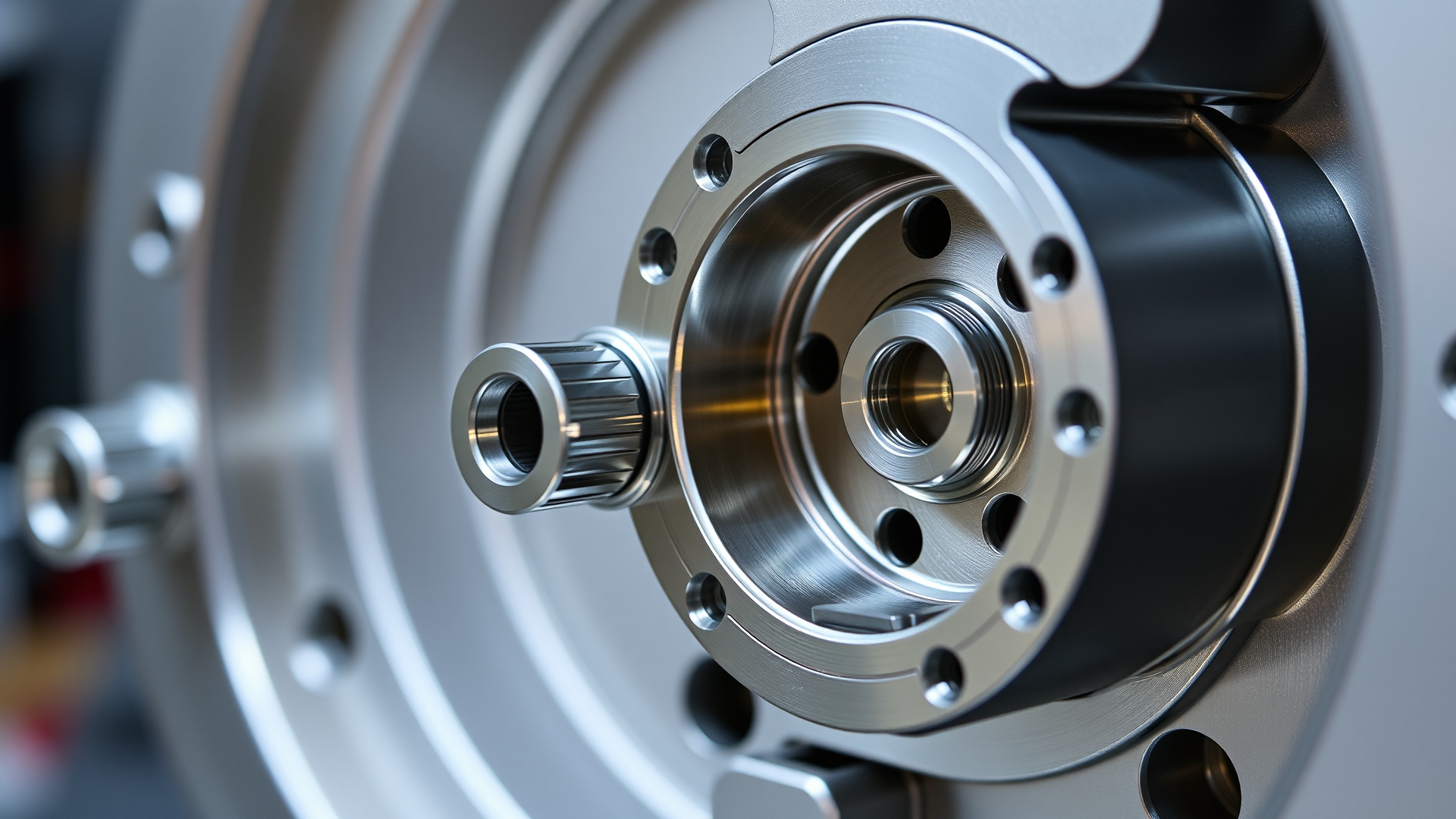
Industrial automation equipment requires numerous precision-cast components across multiple system categories. Robotic arms, conveyor systems, and automated inspection machinery all depend on quality cast parts to function reliably.
Valve components represent a critical application category for precision casting in automation systems. The Galvanized Explosion-Proof Valve Body exemplifies specialized castings designed for safety-critical automation applications requiring both corrosion resistance and explosion protection ratings.
Marine automation systems present unique challenges requiring components with exceptional corrosion resistance and surface quality. Mirror Polished Marine Cruise Ship Parts demonstrate the high surface finish requirements achievable through investment casting processes.
Assembly line automation equipment relies heavily on clamp and fixture components that must maintain precise alignment throughout production cycles. The Investment Casting Clamp Base provides the dimensional stability required for automated assembly systems operating continuously.
Weighing and measurement systems within automated facilities require components combining precision geometry with consistent material properties. The water glass casting weighing hook demonstrates how traditional casting methods produce reliable components for automated material handling systems.
Quality Standards and Manufacturing Certifications
Reputable precision casting suppliers maintain comprehensive quality management systems certified to international standards. ISO 9001 certification indicates adherence to systematic quality control processes throughout manufacturing operations.
The ISO 69487 standard provides specific guidance on investment casting processes, establishing parameters for模具制造,蜡模制作, and金属熔炼that ensure consistent component quality. Manufacturers following these standards deliver more predictable results for industrial automation equipment customers.
Beyond process certification, material traceability represents a critical requirement for automation equipment applications. Quality casting suppliers document material compositions, heat treatment parameters, and inspection results for each production batch, enabling root cause analysis when issues arise in assembled automation systems.
Selecting a Precision Casting Partner
Choosing the right precision casting service provider requires evaluating multiple factors beyond simple unit pricing. Technical capabilities, quality systems, and communication processes all significantly impact project success.
Consider these selection criteria when evaluating precision casting suppliers:
- Material range and alloy certifications available
- Tolerance capabilities and measurement equipment
- Quality system certifications (ISO 9001, IATF 16949)
- Secondary machining capabilities
- Prototyping and sampling services
- Production capacity and lead time capabilities
- Technical documentation and communication practices
Supplier location influences logistics costs and communication efficiency. Chinese precision casting factories, particularly those in manufacturing hubs like Ningbo, offer competitive pricing while maintaining quality standards comparable to domestic suppliers. NIST Cybersecurity Resources The key lies in verifying supplier capabilities through samples and audits before committing to production orders.
Cost Considerations and Production Planning
Precision casting costs depend on part complexity, material selection, surface finish requirements, and order quantity. Understanding these cost drivers helps automation equipment manufacturers plan budgets realistically.
Tooling costs for patterns and molds constitute significant upfront investments but spread across production volume. Higher quantities reduce per-unit costs substantially, making precision casting economical for medium to high-volume automation component orders.
Surface finish requirements directly impact cost. Standard as-cast surfaces cost less than machined finishes or polished surfaces. Mirror polished marine cruise ship parts require multiple finishing operations that increase costs compared to standard industrial automation components.
Material costs vary significantly by alloy. Stainless steel and specialty alloys cost more than carbon steel but provide superior corrosion resistance. Balancing initial material cost against service life requirements determines optimal material selection for specific automation applications.
Design Guidelines for Cast Automation Components
Effective cast part design optimizes both manufacturing efficiency and component performance. Following established design guidelines reduces production costs while ensuring reliable castings.
Design recommendations include:
- Specify uniform wall thicknesses to prevent shrinkage defects
- Include draft angles for pattern extraction (typically 1-2 degrees)
- Radius internal corners to reduce stress concentrations
- Position gates and risers for optimal metal flow
- Design features allowing self-location during machining
- Minimize machined surfaces to as-cast where possible
Consulting with casting engineers during design development helps identify potential manufacturing issues early. Early design modifications cost substantially less than production-stage changes. www.w3.org
Future Trends in Precision Casting
Precision casting technology continues advancing through improved simulation software, new alloy development, and enhanced automation of casting operations. These developments benefit industrial automation equipment manufacturers seeking better component performance at lower costs.
Additive manufacturing influences traditional casting through patternless mold creation and hybrid manufacturing approaches. These technologies expand design possibilities while maintaining cost advantages of cast components for production volumes.
Sustainability requirements drive development of recycled metal alloys and energy-efficient melting processes. Automation equipment manufacturers increasingly specify environmentally responsible supply chains, making green casting practices a competitive differentiator.
Frequently Asked Questions
What is the typical tolerance achievable in precision casting?
Precision casting typically achieves tolerances of ±0.005 inches per inch for dimensions up to 12 inches. Larger dimensions may require wider tolerances. Consult with your casting supplier to confirm achievable tolerances for specific part geometries.
How long does a precision casting production run take?
Standard production lead times range from 4 to 8 weeks depending on part complexity, material availability, and factory capacity. Expedited services may reduce lead times for urgent requirements, though additional fees typically apply.
What surface finishes are available for cast automation components?
Common surface finishes include as-cast, machined, ground, polished, and coated options. The galvanized explosion-proof valve body demonstrates protective coating application suitable for corrosion-prone automation environments.
Can precision casting produce parts matching CNC machined tolerances?
While precision casting achieves excellent tolerances, fully machined tolerances typically require secondary machining operations. The investment casting clamp base products often undergo CNC machining to achieve final tolerance requirements for automation equipment.
What quality documentation should I request from casting suppliers?
Request material certificates, heat treatment records, dimensional inspection reports, and non-destructive testing results as applicable. Quality casting suppliers provide comprehensive documentation packages meeting international standards requirements.