High-Precision CNC Turning Services for Automotive Components
CNC turning services for automotive components deliver the precision and repeatability that modern vehicle manufacturing demands. This process uses computer-controlled lathes to shape raw materials into complex cylindrical parts with tolerances measured in microns. As automotive quality standards tighten globally, manufacturers increasingly rely on CNC turning to meet exact specifications while maintaining cost efficiency across high-volume production runs.
Understanding CNC Turning Technology in Automotive Manufacturing
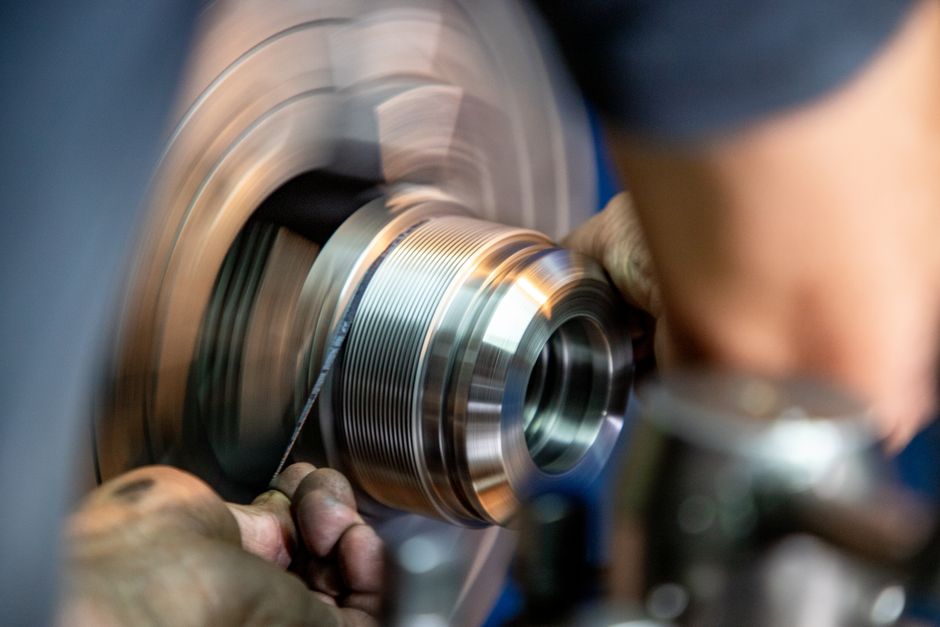
CNC turning rotates a workpiece while a stationary cutting tool shapes the material. This subtractive manufacturing method produces smooth surfaces and precise diameters essential for engine blocks, transmission housings, and brake components. The technology has evolved from manual lathes to multi-axis CNC centers capable of producing complex geometries in single setups. According to the International Organization for Standardization, precision machining standards like
Critical Tolerances and Specifications for Automotive Parts
Automotive components require tolerances typically ranging from ±0.01mm to ±0.05mm depending on the application. Critical areas include:
- Engine cylinder bores requiring surface finishes below 0.8 Ra
- Transmission shafts demanding concentricity under 0.02mm
- Brake caliper bores needing ovality less than 0.005mm
- Suspension components with strict positional tolerances
These specifications ensure proper fit, function, and longevity of assembled vehicle systems. Suppliers must maintain documented process controls aligned with automotive quality management systems. Our expertise in water glass casting weighing hook technology demonstrates precision manufacturing capabilities.
Materials Commonly Used in CNC Turning for Automotive
The automotive industry employs various materials optimized for specific performance requirements. Aluminum alloys dominate due to their strength-to-weight ratio and machinability. Steel variants including carbon steel, alloy steel, and stainless steel provide durability for high-stress applications. Our stainless steel precision components demonstrate how material selection affects corrosion resistance and mechanical properties.
Material selection directly impacts tooling strategies and cutting parameters. The American Society of Mechanical Engineers publishes material-specific machining guidelines that quality-focused shops follow rigorously. Our precision casting architectural hardware fittings showcase advanced manufacturing capabilities.
Key Applications of CNC Turning in Vehicle Production
CNC turning services produce numerous automotive components across multiple vehicle systems. Powertrain applications include crankshaft pulleys, camshaft phasers, and oil pump gears. Suspension systems rely on turned tie rod ends, control arm bushings, and strut mounts. Brake components such as caliper pistons and master cylinder bores demand exceptional surface quality.
Beyond primary assemblies, CNC turning manufactures countless small components including sensor housings, mounting brackets, and fluid fittings. Our experience with precision investment casting products shows how complementary processes support automotive manufacturing needs.
The CNC Turning Process: From Design to Finished Part
The production workflow begins with CAD model review and manufacturability analysis. Engineers determine optimal machining sequences, tooling selections, and cutting speeds. The process follows these stages:
- Raw material preparation and inspection
- Machine setup and tool calibration
- Rough turning to establish general geometry
- Finish turning for final dimensions
- Secondary operations if required
- Quality verification and documentation
Modern CNC turning centers integrate in-process gauging systems that verify dimensions during machining, reducing scrap and ensuring consistency across production batches. These systems align with

Quality Assurance Standards for Automotive Machined Parts
Automotive suppliers must implement comprehensive quality systems meeting industry-specific requirements. The IATF 16949 standard governs automotive quality management globally. Shops performing CNC turning services for Tier 1 and OEM suppliers require certification demonstrating process capability.
Statistical process control tracks critical dimensions using capability indices like Cpk, with automotive requirements typically exceeding 1.33. First article inspections verify production readiness before full runs commence. Our commitment to quality extends across diverse applications, including precision engineered valve bodies requiring similar scrutiny.
Comparing CNC Turning Methods: Swiss-Type vs. Standard Chucking
Two primary turning approaches serve automotive manufacturing: Swiss-type CNC turning and standard chucking operations. Each offers distinct advantages depending on component characteristics.
| Characteristic | Swiss-Type | Standard Chucking |
|---|---|---|
| Typical Part Size | Under 20mm diameter | 20mm to 300mm+ diameter |
| Precision Level | ±0.005mm achievable | ±0.02mm typical |
| Production Volume | High-volume small parts | Medium to high volume |
| Complex Features | Excellent for intricate geometries | Better for heavy cuts |
| Cost Efficiency | Lower per-unit at scale | Lower tooling investment |
Swiss-type machines excel at producing small, complex automotive components like sensor bodies and fuel injectors. Standard CNC lathes handle larger components including hubs, pulleys, and bearing races more economically.
Benefits of High-Precision CNC Turning for Automotive Suppliers
Automotive manufacturers gain multiple advantages from partnering with specialized CNC turning services. Tight tolerances reduce assembly issues and warranty claims. Consistent repeatability across millions of parts ensures uniform vehicle performance. Faster lead times compared to alternative methods support just-in-time inventory strategies.
Modern multi-axis turning centers combine multiple operations, reducing handling and setup times. This integration produces complete parts from raw stock, minimizing touch labor and potential contamination. Shops offering alloy steel components demonstrate material versatility serving various automotive applications.
Selecting a CNC Turning Partner for Automotive Production
Choosing the right supplier requires evaluating several critical factors beyond unit pricing. Technical capabilities must match your most demanding part specifications. Quality certifications verify the supplier’s commitment to automotive standards. Communication practices and engineering support indicate partnership potential.
Consider these selection criteria:
- Documented quality system with IATF 16949 certification
- CMM capability for complex inspection requirements
- Material certifications and traceability documentation
- Production capacity matching your volume requirements
- Engineering support for design-for-manufacturing feedback
A supplier’s experience across diverse applications indicates adaptability. Our background producing mirror polished precision components demonstrates handling demanding surface finish requirements.
Cost Factors in Automotive CNC Turning Services
Several elements influence pricing for CNC turning automotive components. Material costs fluctuate based on metal markets and alloy specifications. Complexity affects machining time and tooling wear rates. Tolerance requirements determine necessary equipment and inspection methods. Production volume distributes setup costs across more units.
Understanding total cost requires examining beyond unit pricing. Scrap rates, rework frequency, and delivery reliability impact overall supply chain costs. Cybersecurity guidance from NIST helps protect manufacturing operations and supply chain integrity.
Emerging Trends in Automotive Precision Machining
The automotive industry evolves rapidly, driving changes in CNC turning requirements. Electric vehicle production reduces demand for certain powertrain components while increasing needs for motor housings, bearing races, and cooling system parts. Lightweighting initiatives push aluminum adoption, requiring different machining approaches than traditional steel components.
Industry 4.0 integration brings smart factory capabilities to CNC turning operations. Real-time monitoring, predictive maintenance, and automated quality feedback loops improve consistency and reduce downtime. These advances support the documentation requirements automotive OEMs impose on their supply chains.
Conclusion
High-precision CNC turning services form an essential foundation for automotive component manufacturing. The technology delivers the accuracy, repeatability, and cost efficiency that modern vehicle production demands. Selecting qualified partners with demonstrated automotive experience, proper certifications, and robust quality systems protects product quality and supply chain stability.
Frequently Asked Questions
What tolerance levels can CNC turning achieve for automotive parts?
Modern CNC turning achieves tolerances from ±0.005mm to ±0.02mm depending on machine capability, part geometry, and material. Critical automotive components typically require ±0.01mm or tighter with documented process capability verification.
What materials are most commonly machined for automotive applications?
Aluminum alloys (6061, 7075), carbon steels (1018, 1045), alloy steels (4140, 4340), and stainless steels (303, 304, 316) represent the majority of automotive CNC turning applications. Material selection depends on strength requirements, corrosion resistance, and cost constraints.
How do automotive suppliers verify CNC turned component quality?
Quality verification combines in-process monitoring, final inspection using coordinate measuring machines, and statistical process control documentation. Suppliers maintain calibration records and certificate of conformance documentation traceable to production batches.
What certification do CNC turning suppliers need for automotive work?
Automotive CNC turning suppliers typically require IATF 16949 certification, the global quality management standard for the automotive industry. This certification demonstrates compliance with industry-specific requirements for design, production, and service provision.
What is the typical lead time for automotive CNC turning projects?
Lead times vary based on complexity, volume, and supplier capacity. Standard components may ship within 2-4 weeks from order confirmation. Complex parts requiring tooling or first article approval typically require 6-8 weeks. Production runs often follow established schedules with regular delivery intervals.