Introduction
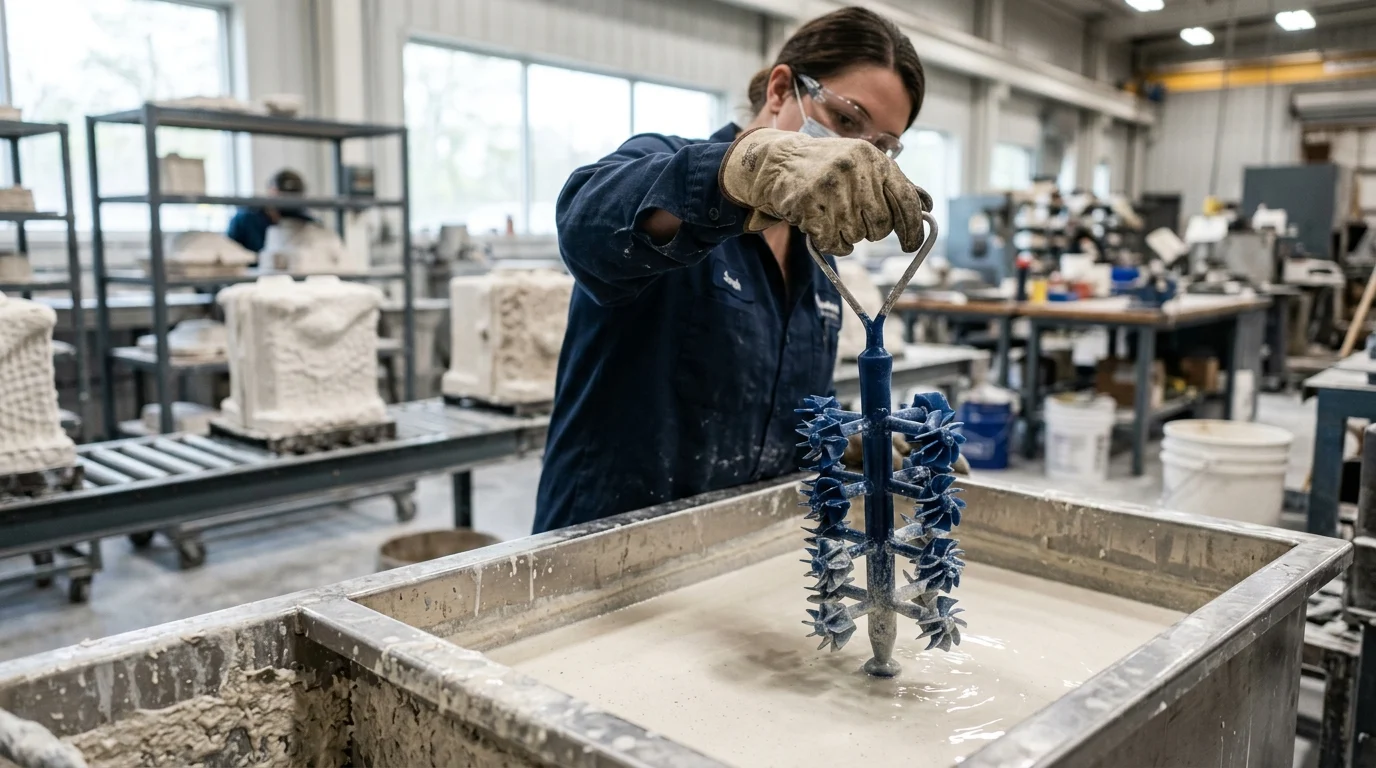
Investment casting is a precision manufacturing method used to produce complex metal parts with fine detail, smooth surfaces, and tight dimensional control. This introduction explains why the process is widely used in industries such as aerospace, automotive, and medical manufacturing, where component accuracy and material performance matter. You will learn how the method works from pattern creation to ceramic shell building, dewaxing, metal pouring, and finishing, along with the main benefits and practical considerations at each stage. With that foundation, the step-by-step process becomes easier to follow and evaluate for real production needs.
Why the Investment Casting Process Matters
The investment casting process stands as one of the oldest and most precise metal-forming techniques in modern manufacturing. Historically known as lost-wax casting, this sophisticated method has evolved from ancient artisan applications into a highly technical industrial procedure. It allows engineers to create near-net-shape components with exceptionally smooth surfaces, complex undercuts, and intricate internal cavities that would be virtually impossible to achieve through conventional subtractive manufacturing.
By significantly reducing the need for secondary machining, this methodology optimizes material usage and lowers overall production costs for high-value alloys. As global supply chains demand increasingly efficient and precise components, understanding the foundational mechanics of this casting technique becomes essential for mechanical engineers, product designers, and procurement professionals.
Definition and Industrial Uses
At its core, the technique involves creating a sacrificial wax pattern, coating it in a durable ceramic shell, melting away the wax, and pouring molten metal into the resulting precision cavity. This highly adaptable method serves critical, high-stress sectors including aerospace, medical device manufacturing, automotive engineering, and heavy industrial machinery.
For instance, jet engine turbine blades and custom orthopedic implants frequently rely on this methodology to meet stringent structural and metallurgical requirements. Manufacturers utilize this versatile process to cast a wide array of ferrous and non-ferrous materials, ranging from standard carbon steels to advanced superalloys like Inconel and titanium. This broad material compatibility supports diverse industrial applications across the global manufacturing landscape.
Part Requirements and Best-Fit Applications
Engineers typically select this manufacturing route when part designs demand complex geometries, thin walls, or asymmetrical shapes that would be cost-prohibitive to machine from solid metal billets. The process excels at maintaining remarkably tight dimensional tolerances, standardly achieving ±0.005 inches per inch (±0.13 mm per 25 mm) on critical features.
Furthermore, it accommodates a broad weight spectrum, efficiently producing components that range from a fraction of an ounce up to massive industrial parts weighing over 1,000 pounds. By achieving surface finishes as fine as 125 micro-inches (3.2 micrometers) RMS straight from the mold, manufacturers can often eliminate expensive, time-consuming secondary polishing and grinding stages, thereby accelerating the time-to-market for complex assemblies.
How the Investment Casting Process Works
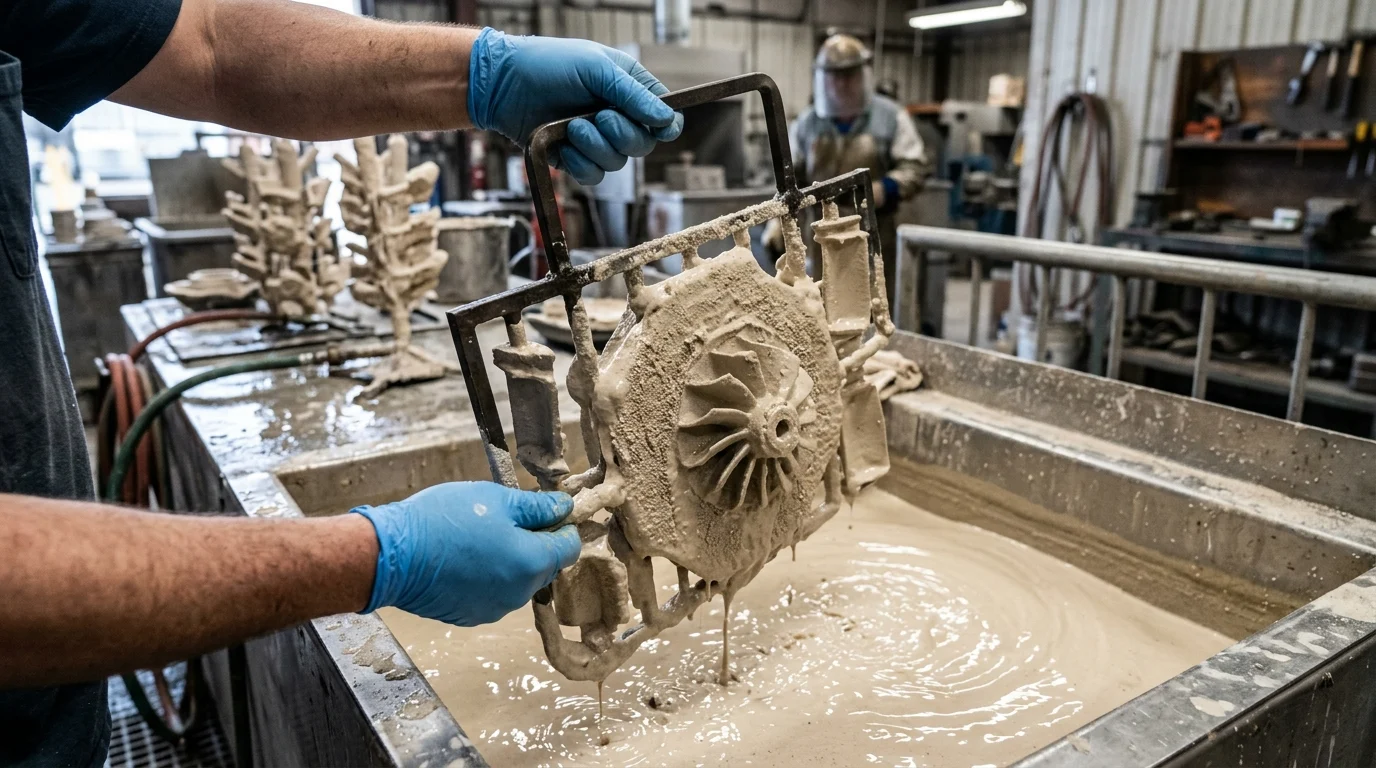
Transforming a digital CAD design into a high-performance metal component requires a meticulously controlled sequence of events. The success of the investment casting process relies heavily on strict environmental controls, precise thermodynamic management, and careful material handling at every phase of production.
Core Process Steps
The production cycle begins with injecting liquid wax into a precision-machined aluminum die to form a perfect replica of the final part. Multiple wax patterns are then carefully attached to a central wax sprue, creating a multi-part “tree” assembly. This tree is repeatedly dipped into a fine liquid ceramic slurry and coated with refractory stucco sand to build a robust, multi-layered shell.
Once the ceramic shell reaches the required thickness and structural integrity, it is placed in a high-pressure autoclave—typically operating at around 300°F (150°C)—to melt and extract the sacrificial wax. The hollow ceramic mold is subsequently fired in a kiln at temperatures exceeding 1,800°F (980°C) to cure the shell and eliminate any residual moisture. Molten metal is then poured into the pre-heated cavity. After the metal solidifies and cools, the ceramic shell is broken away through mechanical vibration, water blasting, or chemical leaching to reveal the final casting.
Key Variables and Common Defects
Maintaining metallurgical quality requires strict oversight of thermodynamic and chemical variables. Pouring temperatures, shell permeability, ambient humidity, and metal cooling rates must be carefully balanced. If the molten metal cools too rapidly, it can lead to incomplete fills or cold shuts; conversely, if it cools too slowly, internal shrinkage cavities and oversized grain structures may form.
Other common manufacturing defects include gas porosity, surface oxidation, and ceramic inclusions. To mitigate these risks, advanced foundries utilize sophisticated flow simulation software, vacuum casting techniques, and automated robotic shelling arms. A well-optimized production line generally maintains internal defect and scrap rates strictly below 3% to 5%, ensuring consistent mechanical properties and structural reliability across large production batches.
How Buyers Should Evaluate Suppliers
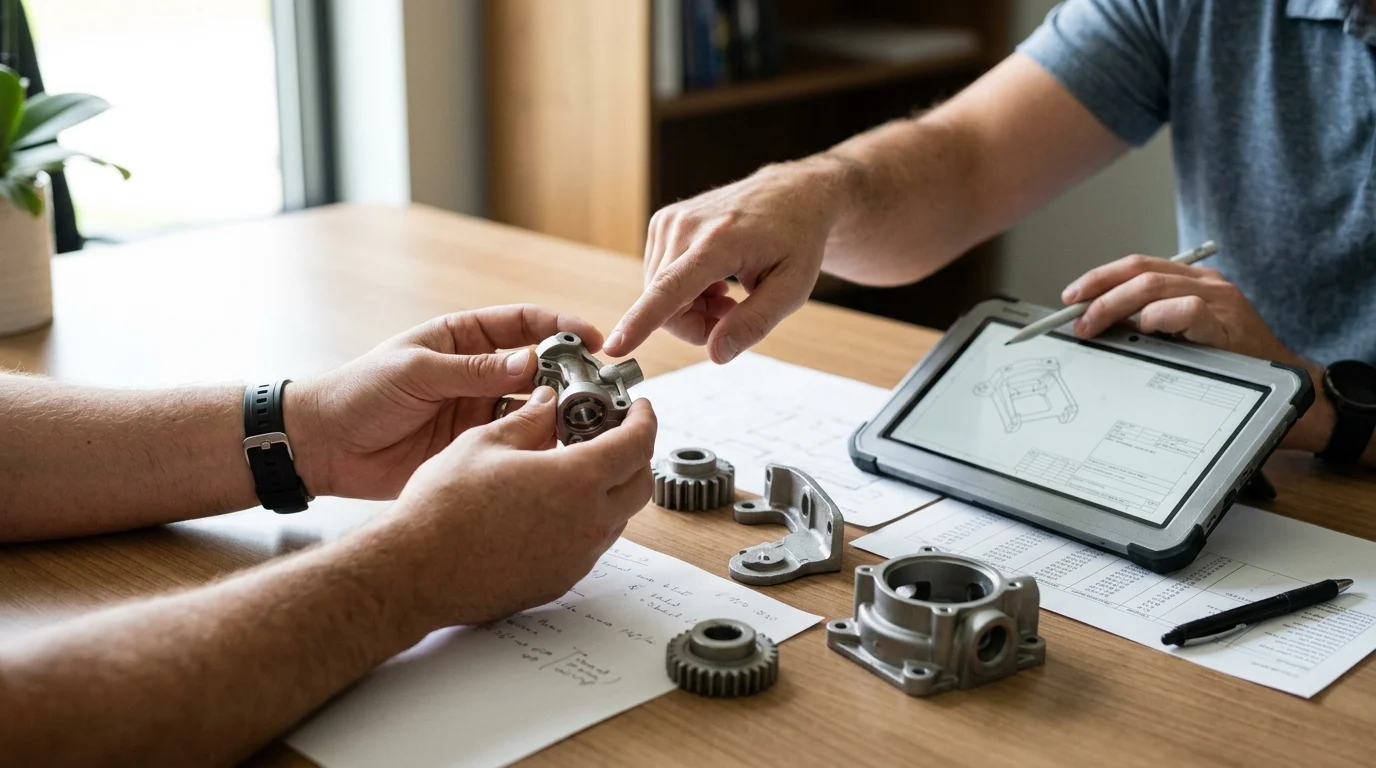
Partnering with a reliable foundry is a strategic decision that heavily impacts product lifecycle costs, supply chain resilience, and end-user safety. Buyers must evaluate potential manufacturing partners based on technical capabilities, quality control infrastructure, and historic performance track records. Reviewing a supplier’s company background and facility capabilities is a critical first step in establishing a long-term procurement relationship.
Comparison Criteria
When assessing suppliers, procurement teams should benchmark the foundry’s core capabilities against alternative manufacturing methods to ensure alignment with project budgets and timelines. Understanding the cost-to-benefit ratio of different casting techniques prevents over-engineering and reduces unnecessary expenditures.
| Manufacturing Method | Typical Tooling Cost | Lead Time (Weeks) | Surface Finish (RMS) | Minimum Wall Thickness |
|---|---|---|---|---|
| Investment Casting | $1,500 – $10,000 | 4 – 8 | 125 micro-inches | 0.040 inches |
| Sand Casting | $500 – $3,000 | 2 – 4 | 250 – 500 micro-inches | 0.125 inches |
| Die Casting | $10,000 – $50,000 | 8 – 12 | 63 micro-inches | 0.040 inches |
While die casting offers faster cycle times for massive volumes, the tooling costs are substantially higher. Conversely, sand casting provides cheaper tooling but yields rougher surfaces that often require extensive post-machining.
Procurement and Engineering Decision Factors
Beyond basic manufacturing capabilities, engineering and purchasing departments must thoroughly scrutinize a supplier’s quality assurance framework. Top-tier foundries should hold relevant industry certifications, such as ISO 9001 for general manufacturing or AS9100 for aerospace applications. They must also offer comprehensive in-house Non-Destructive Testing (NDT) capabilities, including digital X-ray inspection, magnetic particle testing, and ultrasonic flaw detection.
Commercial terms and production scalability are equally important decision factors.
Key Takeaways
- The most important conclusions and rationale for investment casting process
- Specs, compliance, and risk checks worth validating before you commit
- Practical next steps and caveats readers can apply immediately
Frequently Asked Questions
What is the investment casting process?
It is a lost-wax method where a wax pattern is coated with ceramic, the wax is removed, and molten metal is poured into the shell to make precise parts.
When should I choose investment casting instead of machining?
Choose it for complex shapes, thin walls, smooth surfaces, or hard-to-machine alloys when you want less material waste and reduced secondary machining.
What materials can be used in investment casting?
Common options include carbon steel, stainless steel, alloy steel, aluminum, bronze, titanium, and superalloys like Inconel, depending on the part’s service requirements.
What defects are common in investment casting?
Typical issues include porosity, cold shuts, shrinkage, oxidation, and ceramic inclusions. Good control of shell quality, pouring temperature, and cooling helps prevent them.
How should buyers evaluate an investment casting supplier?
Check material capability, tolerance control, quality certifications, defect rates, tooling support, and whether they can handle your required volume, alloy, and finishing needs.