Introduction
Outdoor carbon steel castings are valued for strength, toughness, and cost efficiency, but exposure to rain, humidity, oxygen, and airborne contaminants can quickly turn those advantages into maintenance and service-life problems. Because standard carbon steel lacks the protective passive layer found in stainless alloys, rust prevention depends on deliberate choices in design, surface treatment, coating systems, and upkeep. This article explains the main causes of corrosion in outdoor conditions and shows how to reduce risk through practical material protection strategies, helping you choose measures that match the environment, operating demands, and expected lifespan of the casting.
Why carbon steel castings rust outdoors
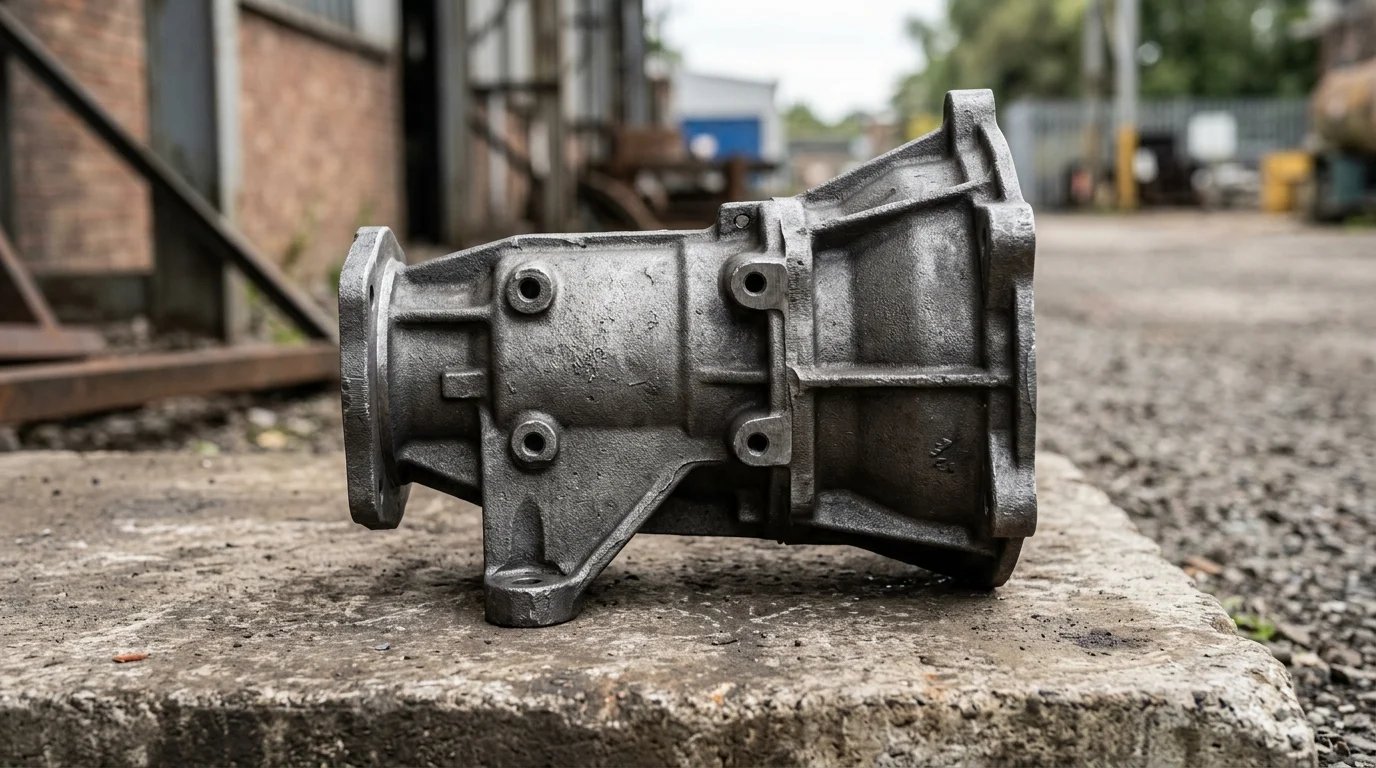
Carbon steel remains a foundational material for heavy-duty industrial components, agricultural machinery, and construction equipment due to its exceptional tensile strength, impact resistance, and overall cost-effectiveness. Despite these mechanical advantages, deploying a carbon steel casting outdoor inherently exposes the bare metal to harsh, unpredictable environmental elements.
Unlike stainless steel alloys, standard carbon steel lacks a sufficient chromium content (typically requiring at least 10.5%) to form a passive, self-healing oxide layer. As a result, it is highly susceptible to rapid degradation when exposed to moisture, oxygen, and atmospheric pollutants. Understanding how to manage this vulnerability without sacrificing the material’s excellent machinability and weldability is a critical engineering challenge for manufacturers and buyers alike.
Common corrosion mechanisms
The primary mechanism behind the degradation of outdoor carbon steel is uniform corrosion, an electrochemical process where iron reacts with water and oxygen to form hydrated iron oxide, commonly known as rust. This destructive reaction accelerates significantly when atmospheric relative humidity exceeds the critical threshold of 60%.
In coastal or heavy industrial environments, the presence of airborne chlorides and sulfur dioxide introduces pitting corrosion. This localized attack creates deep, penetrating cavities in the metal structure, which can cause catastrophic mechanical failure even if the overall mass loss is low. Furthermore, galvanic corrosion can occur if the carbon steel casting is directly connected to a more noble dissimilar metal, such as copper or stainless steel, in the presence of an electrolyte like rainwater.
Design and surface factors that accelerate rust
Beyond environmental chemistry, the inherent design and surface finish of a casting play a substantial role in its baseline corrosion rate. Rough surface textures, which are typical of raw sand castings (often exhibiting surface finishes ranging from Ra 12.5 to 25 micrometers), trap moisture and airborne contaminants much more easily than smooth, machined surfaces. Additionally, casting defects such as micro-porosity or shrinkage cavities can act as microscopic moisture traps.
Poor component design featuring sharp internal corners, deep pockets, horizontal ledges, or inadequate drainage will allow standing water to accumulate after rain events. These micro-environments create localized concentration cells that drastically increase oxidation rates, compromising the structural integrity of the casting long before its intended 10-to-20-year lifecycle ends.
How to prevent rust on outdoor carbon steel castings
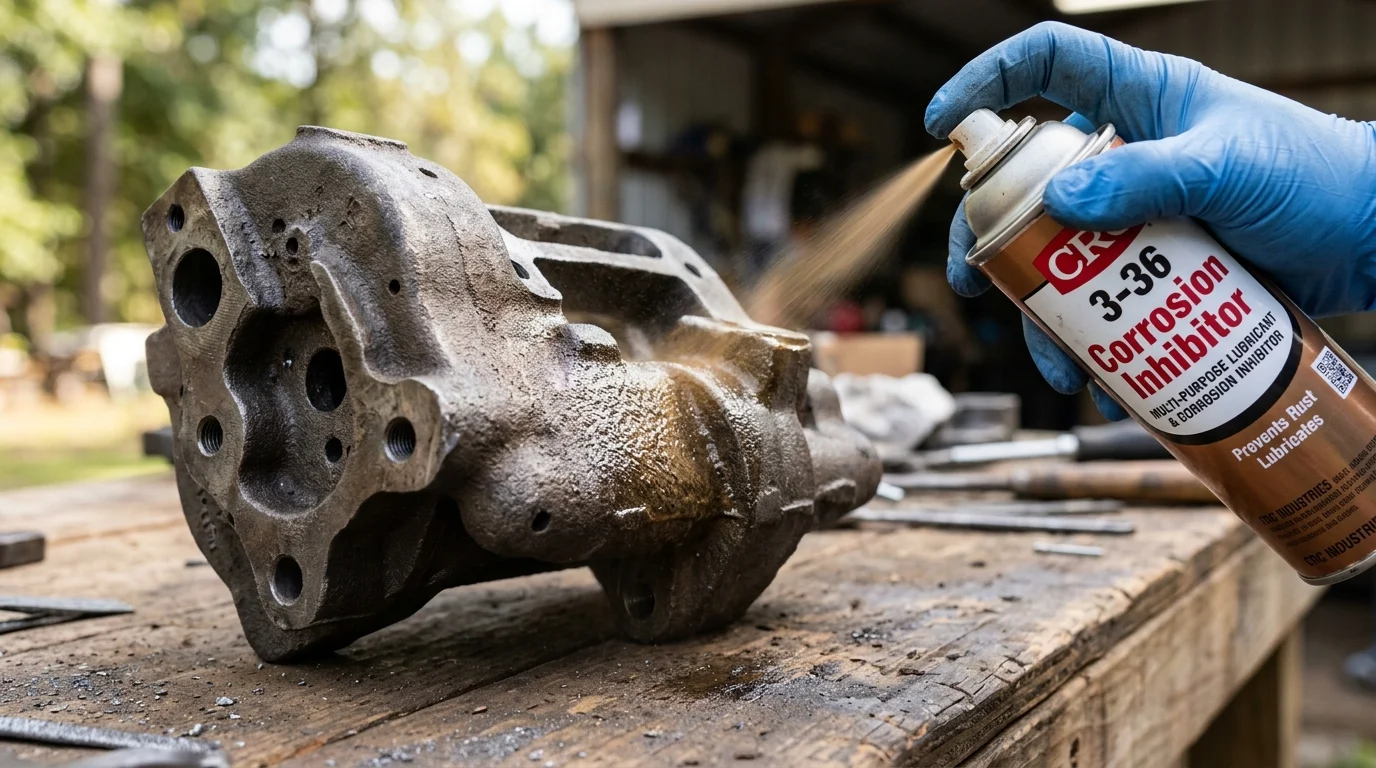
Mitigating corrosion requires a comprehensive, multi-layered approach that begins at the foundry level and extends throughout the component’s operational life. Failing to specify rust prevention at the engineering stage inevitably leads to accelerated fatigue and premature mechanical failure.
Effective rust prevention relies on establishing a robust, impermeable barrier between the vulnerable steel substrate and the surrounding environment. By implementing rigorous surface treatments and stringent process controls, manufacturers can significantly extend the lifespan of carbon steel components, ensuring they meet the safety and performance demands of outdoor environments.
Protective coatings and galvanizing
Applying a heavy-duty protective layer is the most reliable method for preserving carbon steel outdoors. Hot-dip galvanizing (HDG) serves as a highly effective industrial standard, where castings are submerged in a bath of molten zinc at approximately 450°C. This creates a durable metallurgical bond consisting of multiple zinc-iron alloy layers (eta, zeta, and delta layers) topped with pure zinc.
According to ISO 1461 standards, a standard zinc coating thickness of 85 microns can provide 50 to 70 years of maintenance-free protection in rural environments, and 10 to 20 years in severe coastal areas, acting as a sacrificial anode. Alternatively, multi-coat epoxy systems and polyester powder coatings offer excellent chemical resistance alongside aesthetic flexibility. For optimal adhesion of these paints, the steel must undergo rigorous pre-treatment, typically requiring a surface cleanliness level of Sa 2.5 (near-white metal) via shot blasting, achieving a surface profile depth of 50 to 75 microns.
Process controls before shipment and installation
Rust prevention must begin immediately after the casting and machining processes, long before the component reaches its final outdoor application. Foundries must implement strict process controls, such as applying temporary rust-preventative oils or utilizing Volatile Corrosion Inhibitor (VCI) packaging during transit and warehouse storage.
VCI films release vaporized molecules that settle on the metal surface, forming a microscopic hydrophobic layer that prevents oxidation during complex global shipping cycles that can easily last 30 to 60 days. Proper handling protocols, including climate-controlled storage environments and the strict avoidance of bare-hand contact (which transfers corrosive salts and oils), ensure that the castings arrive at the installation site completely free of premature flash rust.
How buyers should choose a rust-prevention strategy
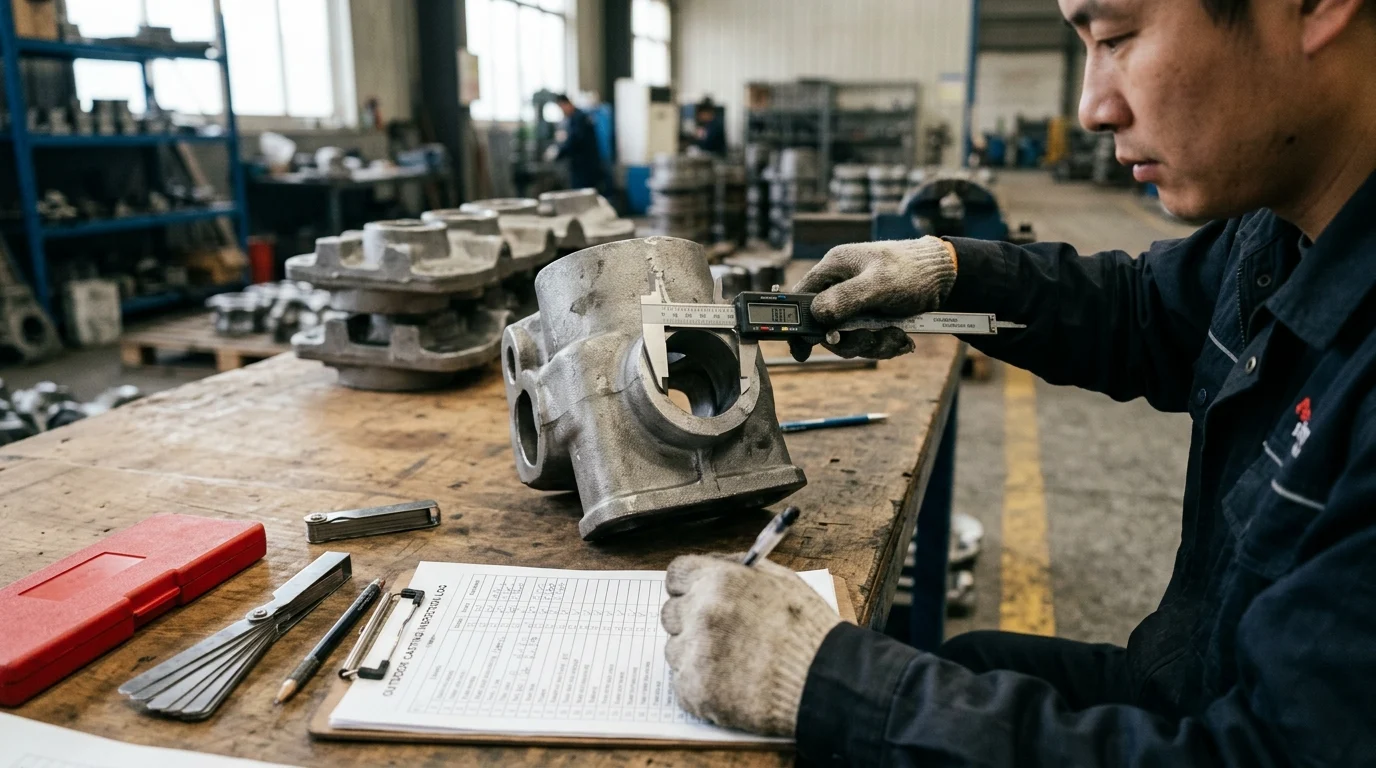
Selecting the appropriate rust-prevention method is a critical procurement decision that balances upfront manufacturing costs against long-term field maintenance requirements.
Buyers must evaluate the specific environmental conditions of the installation site—often categorized by the ISO 12944 standard—and the mechanical demands placed on the casting to determine the most cost-effective and durable protection strategy for their project.
Compare environment and coating options
Different protective coatings yield varying levels of performance based on atmospheric corrosivity categories, ranging from C1 (very low) to C5 (very high/marine environments).
To facilitate informed decision-making, procurement teams can use the following comparison of standard surface treatments for outdoor carbon steel, evaluating lifespan, testing metrics, and economic impact:
| Coating Type | Typical Thickness (microns) | Salt Spray Resistance (ASTM B117) | Relative Cost Premium | Best Application Environment |
|---|---|---|---|---|
| Hot-Dip Galvanizing | 70 – 100 | > 1,000 hours | High (+15-20%) | Marine, heavy industrial (C4-C5) |
| Epoxy Primer + Polyurethane | 150 – 250 | 500 – 800 hours | Medium (+10-15%) | Urban, moderate industrial (C3) |
| Powder Coating | 60 – 120 | 300 – 500 hours | Low (+5-10%) | Rural, light commercial (C2-C3) |
Note: Cost premiums are estimated percentages relative to the baseline price of raw, uncoated carbon steel.
Key selection criteria for buyers
When specifying treatments for a carbon steel casting outdoor, buyers must consider the operating environment, lifecycle expectations, and maintenance budgets to ensure optimal
Key Takeaways
- The most important conclusions and rationale for carbon steel casting outdoor
- Specs, compliance, and risk checks worth validating before you commit
- Practical next steps and caveats readers can apply immediately
Frequently Asked Questions
Why do carbon steel castings rust so quickly outdoors?
Carbon steel lacks the chromium needed to form a self-protective oxide film. Rain, humidity above 60%, oxygen, and pollutants can trigger fast surface rust, especially on bare castings.
What is the best protection for a carbon steel casting used outdoors?
Hot-dip galvanizing is usually the most durable option. For added chemical resistance or color requirements, use a properly prepared multi-coat epoxy or polyester powder coating system.
How can casting design reduce outdoor rust risk?
Design for drainage and avoid water traps such as deep pockets, flat ledges, and sharp internal corners. Smoother machined surfaces also help by reducing moisture and contaminant retention.
Does shipping and storage affect outdoor corrosion performance?
Yes. Castings can begin corroding before installation if left unprotected. Use temporary rust-preventive oil, dry storage, and VCI packaging during transit and warehousing.
Can carbon steel castings be installed next to stainless steel or copper outdoors?
They can, but direct contact may cause galvanic corrosion when rainwater is present. Isolate dissimilar metals with non-conductive washers, sleeves, gaskets, or coatings.