Custom Precision Casting Services for Industrial Automation Equipment
Custom precision casting services provide essential manufacturing solutions for industrial automation equipment, enabling the production of complex metal components with tight tolerances and superior surface finishes. These services support the growing demand for high-performance automation systems across manufacturing sectors. This article explores the technical aspects, applications, and selection criteria for precision casting in industrial automation contexts. For those seeking comprehensive casting solutions, our Custom Mirror Polished Marine Cruise Ship Parts showcase advanced finishing capabilities.
Understanding Precision Casting in Industrial Automation
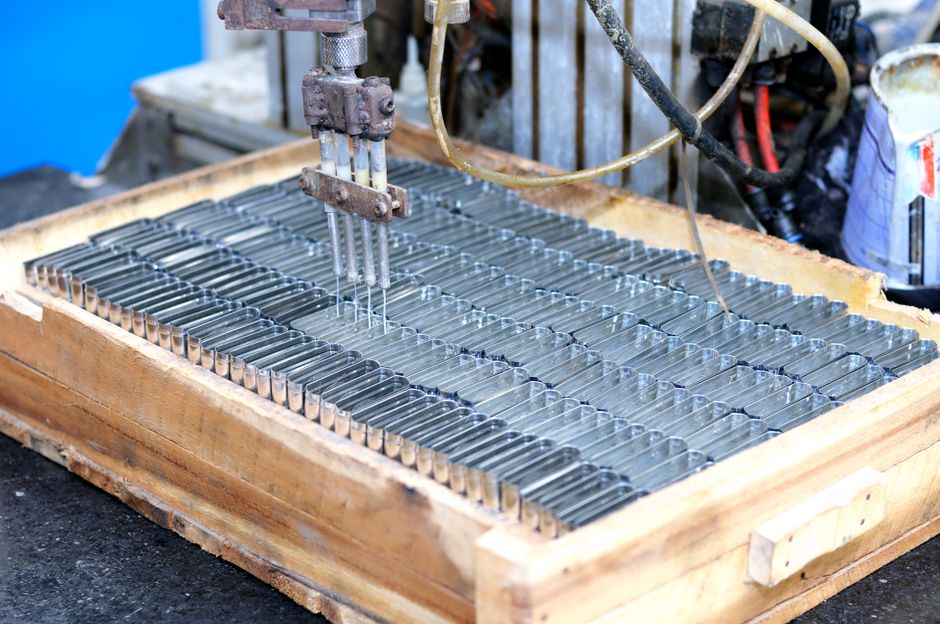
Precision casting refers to manufacturing processes that produce metal components with dimensional accuracy and surface quality suitable for demanding applications. In industrial automation equipment, these components must meet rigorous performance standards while maintaining consistency across large production volumes. Investment casting and water glass casting represent the two primary methods employed for automation equipment components.
Investment casting, also known as lost-wax casting, enables the production of intricate geometries with exceptional surface finishes. This method proves particularly valuable for automation components requiring complex internal passages or fine detail reproduction.
Key Precision Casting Methods for Automation Equipment
Two dominant casting methods serve industrial automation equipment manufacturing. Each method offers distinct advantages depending on material requirements, production volume, and component specifications.
Investment Casting delivers superior dimensional accuracy and smooth surface finishes without secondary machining. This method suits stainless steel, alloy steels, and specialty alloys commonly used in automation hardware. Our Investment Casting Clamp Base demonstrates the precision achievable through this process.
Water Glass Casting provides an economical alternative for larger components where extreme precision is less critical. This method uses sodium silicate as a binder, offering good surface quality at reduced tooling costs. The Water Glass Casting Weighing Hook exemplifies components suitable for this process.
Materials Used in Industrial Automation Casting
Material selection significantly impacts component performance in automation equipment. Different alloys offer varying combinations of strength, corrosion resistance, and machinability.
- Stainless Steel Grades: 304, 316, and 17-4 PH provide excellent corrosion resistance and mechanical properties for automation components exposed to challenging environments.
- Carbon and Alloy Steels: 8620, 4140, and 4340 offer high strength and wear resistance for high-load automation applications.
- Specialty Alloys: Inconel, Hastelloy, and tool steels serve extreme temperature or chemical exposure scenarios.
The Stainless Steel Pressure Cooker Parts manufacturing demonstrates material expertise with food-grade stainless applications, though similar metallurgy applies to automation components requiring hygienic surfaces.
Quality Standards and Certification Requirements
Industrial automation equipment manufacturers must verify that casting suppliers meet recognized quality management standards. Suppliers should maintain material certifications traceable to heat numbers and batch testing results. Cybersecurity guidelines from NIST provide frameworks for protecting intellectual property in digital manufacturing environments.
Non-destructive testing methods including magnetic particle inspection, ultrasonic testing, and dye penetrant examination identify internal and surface defects before components reach assembly operations. Dimensional inspection using coordinate measuring machines verifies compliance with engineering specifications and tolerance requirements.
Applications of Precision Casting in Automation Systems
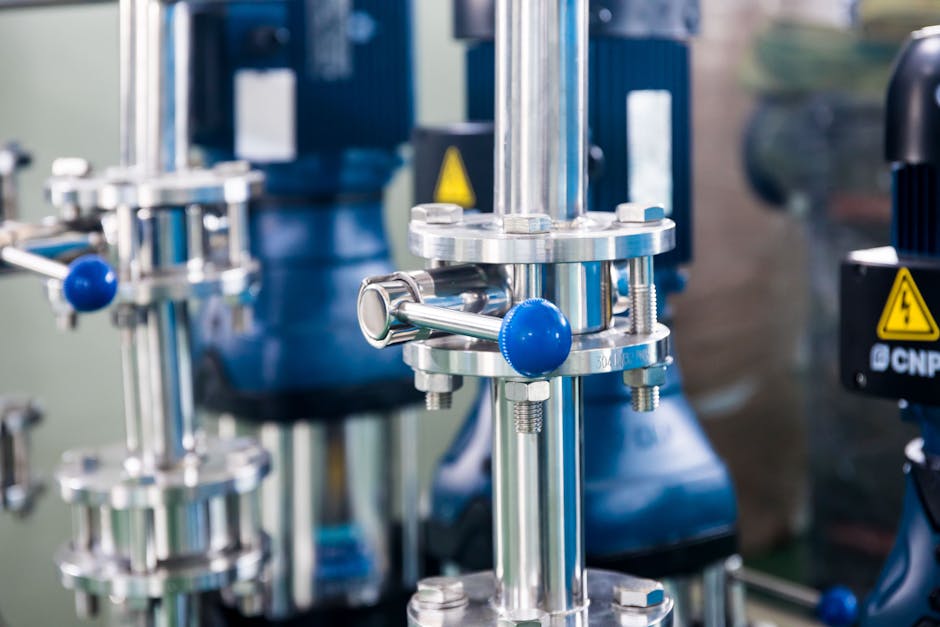
Precision cast components appear throughout industrial automation equipment, from robotic arms to conveyor systems and assembly line machinery.
Motion Control Components include gears, bearings, and coupling housings requiring precise dimensional control for smooth operation. These components benefit from investment casting’s ability to produce near-net-shape parts minimizing subsequent machining operations.
Valve and Fluid Control Systems rely on precision cast valve bodies and manifolds. Our Galvanized Explosion-Proof Valve Body illustrates specialized casting for hazardous location applications in automated process control.
Structural and Mounting Hardware includes brackets, frames, and mounting plates that secure automation equipment. The Alloy Steel Curtain Bracket demonstrates strength-critical casting for load-bearing applications.
Comparing Casting Methods for Automation Equipment
Selecting between casting methods requires balancing multiple factors including cost, precision requirements, and production volume. creating comprehensive technical content that addresses reader questions thoroughly.
| Factor | Investment Casting | Water Glass Casting |
|---|---|---|
| Dimensional Tolerance | ±0.005″ (0.13mm) | ±0.020″ (0.5mm) |
| Surface Finish | 125-250 Ra | 250-500 Ra |
| Typical Weight Range | 0.1-50 lbs | 1-200 lbs |
| Tooling Cost | Higher | Lower |
| Production Volume | 500+ units | 100+ units |
Selection Criteria for Casting Service Providers
Evaluating precision casting suppliers requires assessment across several operational dimensions. Technical capabilities, quality systems, and commercial terms all influence supplier selection decisions.
- Engineering Support: Suppliers should offer design for manufacturability feedback and tooling development assistance.
- Quality Documentation: Material certifications, inspection reports, and traceability documentation must accompany shipments.
- Production Capacity: Verify that facilities can handle your volume requirements without compromising delivery schedules.
- Secondary Operations: In-house machining, finishing, and assembly capabilities reduce supply chain complexity.
- Industry Experience: Track record serving industrial automation customers indicates process maturity and application knowledge.
The Precision Casting Architectural Hardware Fittings showcase demonstrates broader manufacturing capabilities applicable to automation component production.
Emerging Trends in Precision Casting Technology
Technological advances continue improving precision casting capabilities for industrial automation applications. WCAG accessibility standards remind manufacturers to consider how technical documentation serves users with diverse abilities accessing product information.
Automation in foundries improves consistency and reduces labor costs, with robotic material handling and automated inspection systems becoming standard in modern facilities. These improvements benefit automation equipment manufacturers seeking cost-competitive casting solutions without sacrificing quality.
Conclusion
Custom precision casting services provide critical manufacturing capabilities for industrial automation equipment, producing components that meet demanding performance and quality specifications. Investment casting and water glass casting each offer distinct advantages depending on application requirements. Successful supplier selection depends on evaluating technical capabilities, quality systems, and industry experience alongside commercial considerations.
Frequently Asked Questions
What tolerance levels can precision casting achieve for automation equipment?
Investment casting typically achieves tolerances of ±0.005 inches (0.13mm), while water glass casting provides ±0.020 inches (0.5mm). Tighter tolerances may require secondary machining operations.
Which materials are most suitable for industrial automation castings?
Stainless steel grades 304 and 316 offer good corrosion resistance for automation applications. Alloy steels like 4140 and 8620 provide higher strength for load-bearing components.
What quality certifications should casting suppliers maintain?
ISO 9001 certification indicates quality management system compliance. Industry-specific certifications may apply for aerospace, automotive, or medical automation applications.
How do I reduce costs in precision casting for automation components?
Design optimization for casting manufacturability, standardizing on fewer alloys, and increasing production volumes reduce per-unit costs. Using near-net-shape processes minimizes expensive secondary machining.
What inspection methods ensure casting quality for automation use?
Dimensional inspection using coordinate measuring machines verifies tolerances. Non-destructive testing including magnetic particle, ultrasonic, and dye penetrant examination identifies internal and surface defects.