Why Precision Castings Help Reduce Material Waste in Manufacturing
Precision castings significantly reduce material waste in manufacturing by producing components with near-net-shape geometry, minimizing the need for excessive machining and material removal. This manufacturing approach uses advanced mold techniques and controlled solidification processes to create complex metal parts that closely match final dimensions. Industries ranging from aerospace to food processing benefit from reduced raw material consumption and lower disposal costs for manufacturing byproducts. The environmental and economic advantages make precision casting an increasingly preferred method for component production across multiple sectors.
Understanding Precision Casting Technology
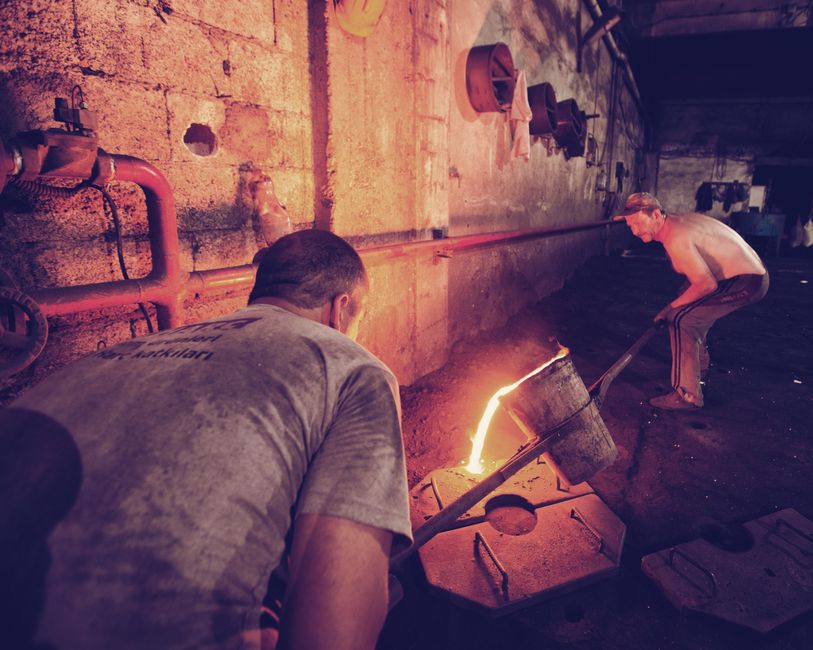
Precision casting, also known as investment casting or lost-wax casting, creates metal components by pouring molten metal into ceramic molds. The process begins with a wax pattern that matches the desired part geometry, coated with refractory materials to form a hard shell. After wax removal, the ceramic shell becomes a precise mold for final metal casting. This technique achieves dimensional accuracy within ±0.005 inches per inch, reducing subsequent machining requirements substantially.
The method excels at producing intricate geometries without the material waste associated with traditional machining from solid stock. Complex internal channels, undercuts, and detailed surface features form directly during casting. Manufacturers achieve tolerances comparable to machined components while preserving more of the original raw material. The precision casting architectural hardware fittings demonstrate how decorative elements with complex profiles form efficiently through this process.
Material Efficiency Compared to Traditional Machining
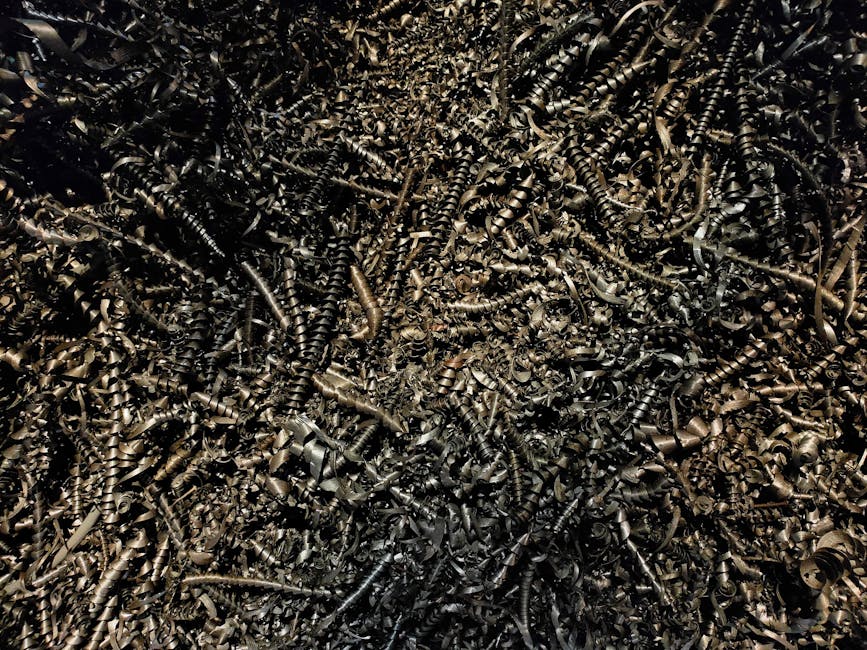
Traditional machining removes 30-70% of raw material when producing components from solid metal stock. CNC turning, milling, and drilling operations generate substantial chips and swarf that often cannot be recycled economically. Precision casting eliminates most material removal by creating parts that require minimal finishing operations. Near-net-shape production means components emerge from molds nearly ready for assembly.
The raw material utilization rate for precision casting typically exceeds 90%, compared to 40-60% for conventional machining methods. This efficiency becomes particularly valuable when working with expensive alloys such as stainless steel, titanium, or nickel-based superalloys. The stainless steel pressure cooker parts manufactured through precision casting demonstrate material conservation in consumer applications requiring food-grade surfaces.
The Precision Casting Process and Waste Reduction
The precision casting workflow incorporates multiple stages that each contribute to material conservation. Pattern creation using CAD/CAM technology ensures accurate dimensions before mold production begins. Rapid tooling and 3D-printed patterns reduce errors that would otherwise cause part rejections and wasted material. The ceramic shell construction process allows thin walls with excellent strength, minimizing metal volume in final parts.
- Pattern production creates the exact replica of the desired component in wax or plastic
- Shell building applies multiple ceramic coats to form a dimensionally stable mold
- Dewaxing removes the pattern material before metal pouring
- Metal pouring fills the cavity with precisely controlled temperature and flow
- Shell removal and finishing complete the part with minimal material loss
Each step receives careful monitoring to prevent defects that would render parts unusable. The investment casting clamp base exemplifies components produced with tight dimensional control, requiring no additional machining on critical surfaces.
Types of Precision Casting and Their Waste Advantages
Water glass casting uses sodium silicate binders in ceramic slurries, offering cost-effective mold production for medium-volume runs. This method produces acceptable surface finishes while maintaining excellent dimensional control. The water glass casting weighing hook represents components benefiting from this economical precision casting approach.
Investment casting with ceramic shell molds provides superior surface finish and tighter tolerances for high-value applications. While initial tooling costs are higher, the material efficiency gains offset these expenses over production volume. The galvanized explosion-proof valve body demonstrates critical safety components manufactured through investment casting with minimal material waste.
Both methods share common advantages regarding material utilization, though selection depends on specific application requirements. Surface finish needs, dimensional tolerances, and production volume influence which approach provides optimal waste reduction for each component type.
Industry Applications Demonstrating Waste Reduction
Marine engineering relies heavily on precision castings for components exposed to demanding corrosive environments. The mirror polished marine cruise ship parts require both aesthetic quality and corrosion resistance, achieved efficiently through precision casting with minimal post-processing material removal.
Architectural hardware manufacturers utilize precision casting to produce decorative elements with intricate profiles. Complex brackets, connectors, and ornamental fittings achieve their final form directly from molds, eliminating the material waste of machining from solid bar stock. The alloy steel curtain bracket demonstrates how structural and aesthetic requirements combine in architectural components produced with material efficiency.
Aerospace applications particularly benefit from precision casting waste reduction given the high cost of titanium and nickel alloys. Turbine blades, structural brackets, and fluid system components commonly employ investment casting to maximize material utilization while meeting strict performance requirements.
Economic and Environmental Benefits
Material cost savings represent the most immediate financial advantage of precision casting waste reduction. Raw material expenses typically constitute 60-80% of part cost for machined components, and precision casting substantially reduces these input costs. Lower disposal expenses for manufacturing waste follow as additional savings, particularly in regions with strict environmental regulations on industrial byproducts.
Energy consumption per functional part decreases when material efficiency improves. Melting metal for casting requires less energy than the multiple machining operations that replace it. Life cycle assessments consistently show precision casting produces lower carbon footprints than conventional manufacturing for comparable components.
The NIST cybersecurity guidelines for manufacturing operations remind producers that efficient operations include digital security protecting production data and intellectual property. Sustainable manufacturing practices extend beyond physical waste reduction to comprehensive operational security.
Design Considerations for Maximum Material Efficiency
Engineers optimizing parts for precision casting should design features that capitalize on the process capabilities. Incorporating draft angles, fillet radii, and uniform wall sections facilitates smooth metal flow and complete mold filling. Design for manufacturing principles reduce the need for secondary operations that generate additional material waste.
Tolerances should specify only necessary precision, as tighter requirements often necessitate material removal during finishing. Optimizing gate locations and riser systems ensures complete cavity filling while minimizing excess metal that becomes waste. Collaboration between designers and casting specialists identifies opportunities for material conservation throughout the development process.
Quality Control Ensuring Material Conservation
Effective quality control prevents waste from defective parts that require reproduction. Non-destructive testing methods including ultrasonic inspection, X-ray examination, and dye penetrant analysis identify internal and surface defects without destroying components. Statistical process control maintains consistent quality levels that prevent material waste from out-of-specification production.
Dimensional verification using coordinate measuring machines confirms parts meet tolerances before release for assembly or finishing operations. Early defect detection avoids downstream processing of unusable components, conserving both material and manufacturing resources. Comprehensive documentation tracks quality metrics to enable continuous improvement in casting processes.
The WCAG accessibility guidelines for digital documentation remind manufacturers to provide accessible information about their quality processes and specifications.
Future Trends in Precision Casting Waste Reduction
Additive manufacturing integration with precision casting enables hybrid production approaches that optimize material utilization. 3D-printed ceramic cores allow complex internal geometries previously impossible with traditional tooling. These advances continue expanding the applications where precision casting delivers superior material efficiency.
Simulation software for mold filling and solidification reduces trial-and-error development that previously consumed material during process optimization. Virtual casting reduces physical prototypes needed before production approval. These digital tools accelerate the adoption of precision casting across industries seeking material waste reduction.
Recycling initiatives within precision casting facilities capture and reuse metal from gating systems, risers, and defect parts. Closed-loop material flows minimize virgin metal requirements while reducing disposal burdens. Sustainable manufacturing practices position precision casting as a responsible choice for environmentally conscious production.
Conclusion
Precision castings deliver substantial material waste reduction through near-net-shape production, advanced process control, and design optimization. The method’s 90%+ material utilization significantly outperforms traditional machining’s 40-60% efficiency, generating measurable savings across raw material costs, energy consumption, and waste disposal. Industries spanning marine, architectural, aerospace, and consumer products increasingly adopt precision casting to meet both economic and environmental objectives. Selecting appropriate casting methods and engaging specialized manufacturers ensures maximum benefits from this material-efficient production approach.
Frequently Asked Questions
How much material waste does precision casting prevent compared to machining?
Precision casting achieves 90%+ material utilization versus 40-60% for traditional machining, preventing 30-50% more material from becoming waste during component production.
What materials work best with precision casting for waste reduction?
Stainless steel, carbon steel, aluminum, and specialty alloys all benefit from precision casting. High-cost materials like titanium and nickel-based superalloys show the greatest economic advantage from material waste reduction.
Can precision casting achieve the same tolerances as machined parts?
Yes, precision casting regularly achieves tolerances of ±0.005 inches per inch, comparable to machined components while eliminating the material removal that machining requires.
What is the typical lead time for precision casting production?
Standard precision casting lead times range from 4-8 weeks depending on part complexity, quantity, and material requirements. Rapid tooling options can reduce initial production timelines.
How do I select a precision casting manufacturer for my application?
Evaluate manufacturers based on their process capabilities, quality certifications, material expertise, and track record with similar components. Request samples and visit facilities to verify their commitment to material efficiency and quality control.