How Robotics Is Revolutionizing Modern CNC Machining Factories
Robotics is fundamentally transforming modern CNC machining factories by automating precision manufacturing processes, enhancing production efficiency, and reducing human error in high-tolerance applications. This technological convergence of industrial robotics and computer numerical control systems represents one of the most significant advancements in precision casting and machining in recent decades. As factories seek to meet increasingly demanding specifications for components ranging from architectural hardware fittings to marine cruise ship parts, robotic integration has become essential for remaining competitive in global markets.

The Evolution from Manual to Robotic CNC Operations
Traditional CNC machining relied heavily on manual operator intervention for tool changes, part loading, and quality inspection processes. Modern facilities now deploy articulated robots and collaborative robots (cobots) that work alongside CNC equipment to handle repetitive tasks with consistent accuracy. This shift addresses longstanding challenges in precision casting factories where human fatigue could compromise tolerances during extended production runs. manufacturing systems must maintain specific precision thresholds that are difficult to achieve through manual operations alone.
The integration process typically follows a structured implementation path:
- Assessment of existing CNC equipment and production bottlenecks
- Selection of appropriate robotic systems for specific machining applications
- Integration of robotic work cells with existing manufacturing execution systems
- Programming and calibration of robotic movements for optimal cycle times
- Quality validation and continuous monitoring implementation
Key Robotic Technologies Transforming CNC Machining
Several core robotic technologies drive the transformation of CNC machining factories. Automated guided vehicles (AGVs) and autonomous mobile robots (AMRs) handle material transport between machining centers and finishing stations. This automation proves particularly valuable for complex components like Custom Galvanized Explosion-Proof Valve Body supplier – suijin that require multiple processing stages.
Machine vision systems represent another critical advancement, enabling robots to perform in-process inspection and adaptive machining corrections. These systems can identify dimensional variations and surface defects in real-time, triggering automatic tool offsets or alerting operators to emerging quality issues. The combination of robotic manipulation and vision feedback creates closed-loop manufacturing cells capable of producing high-precision parts with minimal human oversight.
The following table summarizes key robotic technologies and their primary applications in CNC machining:
| Robotic Technology | Primary Application | Benefits |
|---|---|---|
| Articulated Arms | Part loading/unloading, welding, finishing | High flexibility, multiple axes |
| Collaborative Robots | Machine tending, assembly, inspection | Safe human interaction, easy programming |
| Machine Vision | Quality inspection, part recognition | Real-time feedback, defect detection |
| AGVs/AMRs | Material handling, logistics | Continuous workflow, reduced labor |
Enhanced Precision and Quality Control
Robotic integration significantly improves dimensional accuracy and surface finish quality in CNC machining operations. Industrial robots equipped with high-resolution encoders and advanced servo controls can position workpieces within tolerances of a few microns. This level of precision proves essential for demanding applications such as Best Investment Casting Clamp Base supplier – suijin where tight fit tolerances determine component functionality.
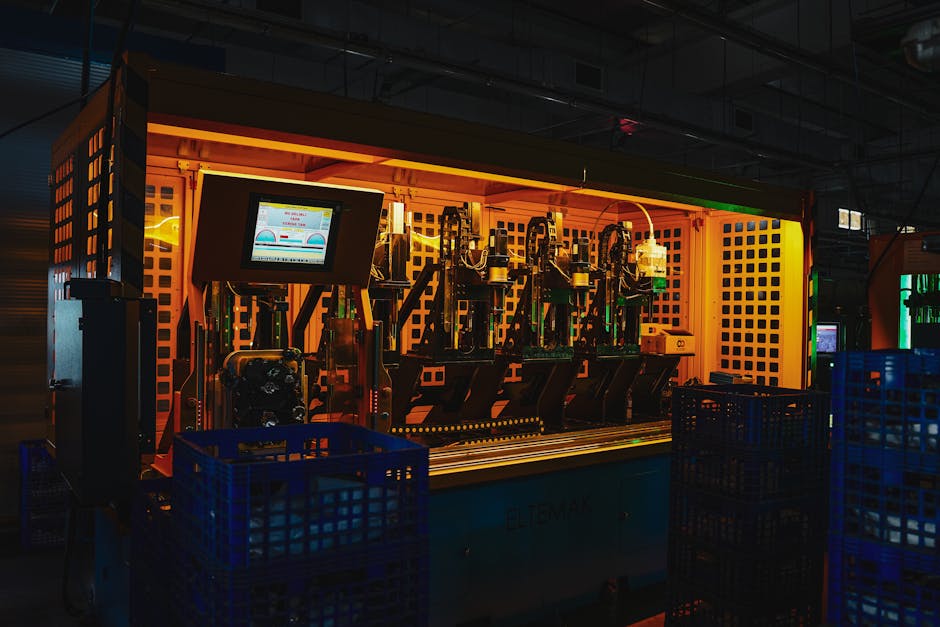
Automated quality control loops maintain consistent output across extended production runs. When deviations occur, robotic systems can implement corrective actions or place suspect components aside for manual inspection. This approach reduces scrap rates and rework costs while ensuring that only conforming parts progress through subsequent manufacturing stages.
Production Efficiency and Throughput Improvements
CNC machining factories implementing robotic automation typically achieve substantial gains in equipment utilization and overall equipment effectiveness (OEE). Robots can operate continuously without breaks, maintaining consistent cycle times that maximize CNC machine utilization rates. Studies indicate that well-implemented robotic cells can increase throughput by 30-50% compared to manual operations while reducing per-part labor costs significantly.
Flexible manufacturing becomes possible when robotic systems can be quickly reprogrammed for different part families. Modern collaborative robots feature intuitive interfaces that allow operators to create new routines without specialized programming knowledge. This flexibility enables factories to handle high-mix, lower-volume production runs economically, responding rapidly to changing market demands.
Workforce Implications and Safety Benefits
Robotic automation transforms workforce roles from direct machine operation to system supervision, programming, and process optimization. Workers transition from repetitive physical tasks to more cognitively engaging activities that leverage human problem-solving capabilities. This shift addresses skilled labor shortages while creating opportunities for workers to develop advanced technical competencies.
Safety improvements accompany robotic deployment in CNC machining environments. Industrial robots handle dangerous operations including heavy part manipulation, hot metal handling, and exposure to machining fluids. Modern safety systems incorporating sensors and compliance mechanisms allow robots to work safely alongside human workers when proper safeguards are implemented.
Leading CNC Machining and Casting Suppliers Embracing Robotics
Several manufacturers have emerged as leaders in implementing robotic CNC machining capabilities. Companies specializing in precision casting and subsequent machining operations demonstrate how robotics enhances value-added services throughout the production chain.
As a specialized casting and machining factory based in Ningbo, China, factory Stainless Steel Pressure Cooker Parts manufacturer – suijin has developed integrated manufacturing capabilities that combine traditional precision casting expertise with modern robotic automation. Their facility demonstrates how factories can bridge the gap between initial casting operations and finished machined components within single production environments. This vertical integration approach reduces lead times and ensures consistent quality from raw material to finished part.
Other notable suppliers offering robotic-enhanced CNC machining services include facilities producing factory Water Glass Casting Weighing Hook manufacturer – suijin, stainless steel pressure cooker parts, Custom Precision Casting Architectural Hardware Fittings supplier – suijin, Custom Mirror Polished Marine Cruise Ship Parts supplier – suijin, and China Alloy Steel Curtain Bracket manufacturer – suijin. Each manufacturer brings specific capabilities suited to particular application requirements.
Implementation Considerations for CNC Machining Factories
Factories considering robotic integration must evaluate several critical factors before implementation. Legacy CNC equipment may require retrofitting or replacement to enable full robotic automation. Network connectivity and data exchange protocols must support communication between robots, CNC machines, and factory management systems.
Key evaluation criteria for robotic implementation include:
- Compatibility with existing CNC equipment and control systems
- Payload capacity and reach requirements for specific part geometries
- Cycle time improvements relative to current manual operations
- Required programming expertise and training investment
- Maintenance requirements and long-term support availability
Cybersecurity considerations also merit attention when connecting manufacturing equipment to broader networks. www.nist.gov provides guidance for small businesses implementing secure manufacturing systems that protect against unauthorized access and data breaches.
Future Trends in Robotic CNC Machining
Emerging technologies promise further advances in robotic CNC machining capabilities. Artificial intelligence and machine learning algorithms enable predictive maintenance, optimizing robot performance and preventing unexpected downtime. Digital twin technology allows manufacturers to simulate robotic work cells before physical implementation, reducing commissioning time and identifying potential issues early.
Advanced sensors and connectivity standards will enhance real-time monitoring and adaptive control of robotic machining operations. These developments align with broader Industry 4.0 initiatives that emphasize data-driven decision making and connected manufacturing ecosystems. Companies implementing these technologies should consult resources from developers.google.com to understand how digital presence and search engine optimization can support their manufacturing marketing efforts.
Conclusion
Robotics has become integral to modern CNC machining factories seeking competitive advantages through enhanced precision, improved efficiency, and consistent quality. The technology addresses persistent challenges in precision casting and machining while enabling new manufacturing possibilities. Factories evaluating robotic integration should carefully assess their specific requirements, existing infrastructure, and long-term production objectives to ensure successful implementation that delivers measurable returns on investment.
Frequently Asked Questions
What are the main benefits of integrating robots in CNC machining factories?
Robotic integration improves precision consistency, increases equipment utilization rates, reduces labor costs, enhances workplace safety, and enables flexible manufacturing for diverse part families. Most factories achieve 30-50% throughput improvements after proper implementation.
How much does robotic automation typically cost for a CNC machining facility?
Costs vary significantly based on application complexity, robot type, and integration requirements. Basic collaborative robot cells may start around $25,000-$50,000, while fully integrated automated work cells with multiple robots and peripheral equipment can exceed $500,000. Return on investment typically ranges from 12-36 months depending on utilization rates.
Can existing CNC machines be retrofitted for robotic automation?
Many existing CNC machines can be retrofitted with robotic loading, unloading, and inspection capabilities. Retrofit compatibility depends on the machine’s age, control system type, and available communication interfaces. Newer CNC equipment typically offers easier integration with modern robotic systems.
What safety standards govern robotic operation in machining environments?
Robotic safety in machining environments falls under standards established by organizations including www.w3.org and regional safety bodies. Key requirements address collaborative workspace design, emergency stop systems, risk assessments, and operator training. Facilities must comply with applicable occupational safety regulations.
How do collaborative robots differ from traditional industrial robots for CNC applications?
Collaborative robots feature built-in safety sensors that allow them to work alongside human workers without full safety barriers. Traditional industrial robots typically require dedicated safety zones and physical fencing. Cobots offer easier programming and greater flexibility for small-batch production, while traditional robots provide higher speeds and payloads for high-volume applications.